
Can You See Dolphins On The Noosa River At Sunset?
Dolphins are not among the wildlife the Noosa sunset cruise operators name, but pelicans, kites, egrets and kangaroos are. What the evening boats actually list, and how to plan a wildlife-minded trip.
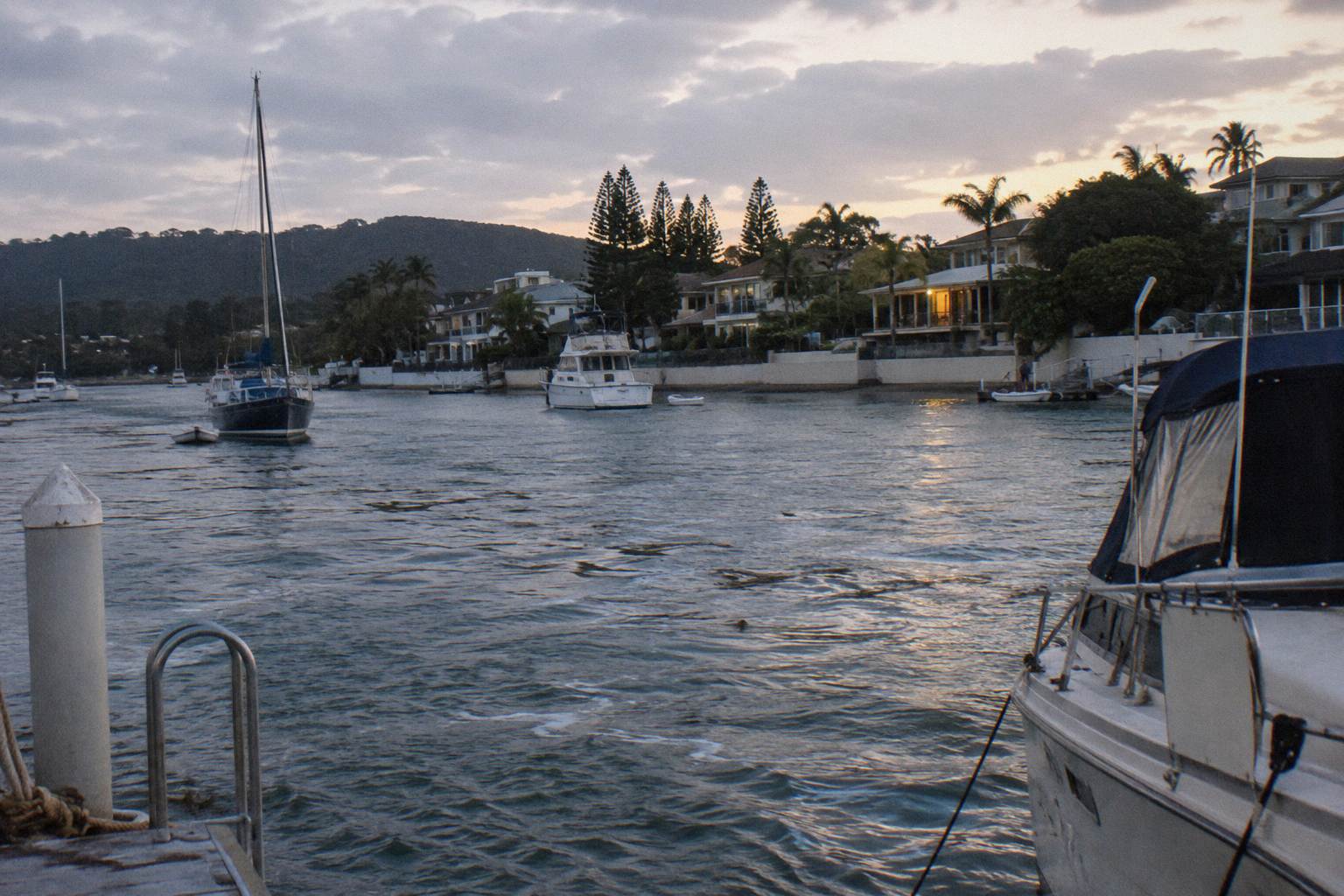
No sunset cruise operator in Noosa lists dolphins among the wildlife on its trips, and none of the boats advertises a dolphin sighting of any kind. The wildlife the operators do name is river birds: Whistling Kite, Australian Pelican, Great Egret, Pied Cormorant and Azure Kingfisher, plus a hedged chance of kangaroos on the banks. A wildlife-minded evening on the water is still rewarding, but dolphins are not the draw.
That is the plain answer, and it deserves the plainest possible framing. The Noosa River is an estuary system that opens to Laguna Bay, and dolphins are a genuine presence in Queensland coastal waters, so the question is fair. But fairness does not create a source. When the operators describe what passengers might see, dolphins appear nowhere in those descriptions, and no cruise promises them.
What the operators describe instead is quieter and, in its way, more reliable. The Noosa Queen operator lists a set of birds guests often spot: the Whistling Kite, Australian Pelican, Great Egret, Pied Cormorant and Azure Kingfisher. Kangaroos appear as a hedged "chance to spot". The Noosaville cruise names local wildlife generally, with a skipper giving live commentary. These are the claims that can be made, and they are the ones worth planning around.
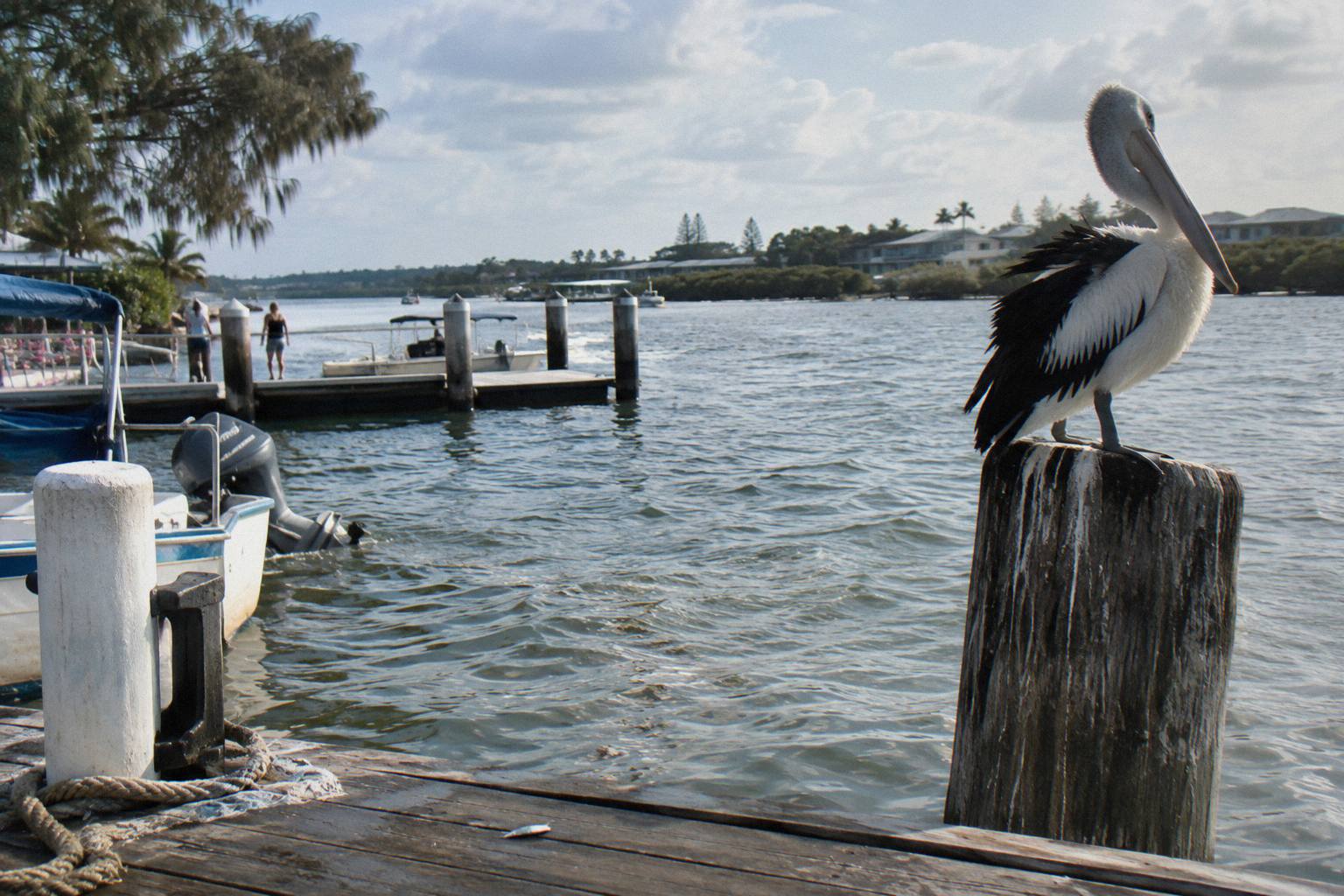
For a wildlife-minded reader the practical question becomes: which evening boat puts you closest to the animals that are actually documented, at the hour the river is at its busiest with birds. The three sunset trips, the Noosaville cruise, the Noosa Queen and the Stillwater Boutique cruise, each run a different stretch of the river, and the differences matter more than any wildlife claim on a booking page. Noosa Sunset Cruises keeps the details of all three side by side, and the evening boats can be compared directly on price, duration and boarding point.
If the goal is an evening on the water with skipper commentary and the river's own birdlife, the Noosaville Noosa River Sunset Cruise is the natural fit: about 2.5 hours from Gympie Terrace, rated 4.7 from 263 reviews, from US$26 per person. The Noosa Queen sunset cruise runs 1.5 hours from Noosa Marina, rated 4.9 from 82 reviews, also from US$26. The Stillwater Boutique cruise runs about 1 hour 45 minutes from US$40.45 with a welcome drink included.
What Wildlife Do The Sunset Boats Actually Name?
The Noosa Queen operator names five birds, Whistling Kite, Australian Pelican, Great Egret, Pied Cormorant and Azure Kingfisher, as birds guests often spot, and lists a chance to spot kangaroos. The Noosaville cruise names local wildlife generally with skipper commentary. No operator names dolphins, sharks or turtles for the sunset trips.
The bird list is the most concrete wildlife claim any operator makes, and it is a good one. Each of those five species uses the lower river differently. The Whistling Kite patrols overhead, the Australian Pelican fishes from the surface, the Great Egret stalks the shallows, the Pied Cormorant dives from the water and the Azure Kingfisher is a small flash of blue along the mangroves. An evening cruise that drifts past the banks puts a passenger within binocular distance of all five.
The kangaroo mention is hedged deliberately. The operator's own words are a "chance to spot kangaroos", which is the correct way to write about a wild animal that may or may not be on the bank when the boat passes. No sighting rate exists anywhere, and none should. Wildlife on a river is a matter of patient looking, not a schedule.
What the operators' wildlife descriptions have in common is that they are all river species, not open-coast species. That distinction explains the dolphin question in a single stroke. The sunset cruises run in the estuary, upstream of the river mouth. The animals documented on these trips are the animals that live in that habitat.
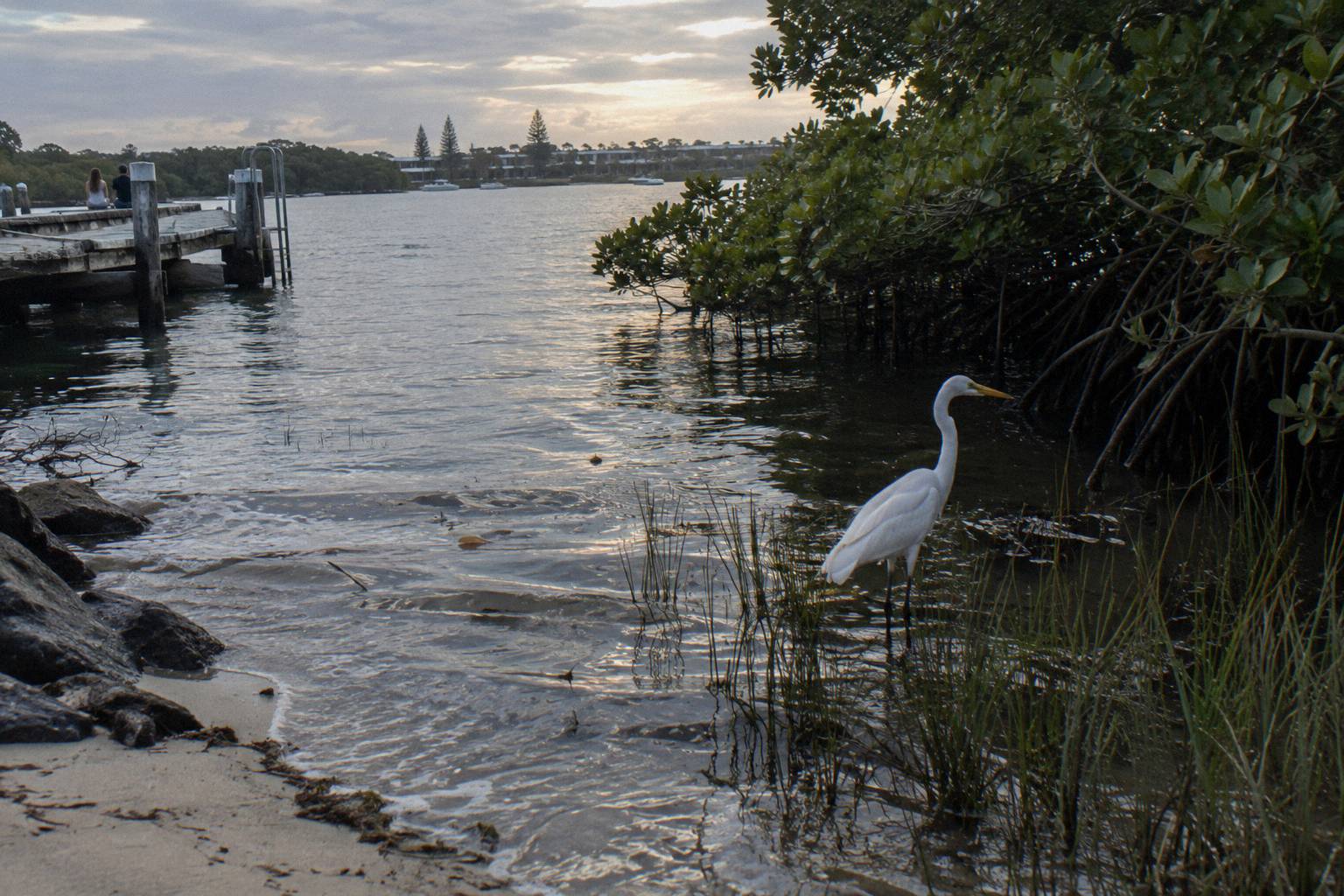
Here is what the operators actually say, species by species, in one place:
| Wildlife | Which cruise names it | How it is described |
|---|---|---|
| Whistling Kite | Noosa Queen | A bird guests often spot |
| Australian Pelican | Noosa Queen | A bird guests often spot |
| Great Egret | Noosa Queen | A bird guests often spot |
| Pied Cormorant | Noosa Queen | A bird guests often spot |
| Azure Kingfisher | Noosa Queen | A bird guests often spot |
| Kangaroos | Noosa Queen | A hedged chance to spot |
| Local wildlife | Noosaville | Named generally, with skipper commentary |
Dolphins sit in a different category from all of these. They are coastal, and the river's resident wildlife descriptions are estuarine. A reader who wants the full picture of the river's larger animals, including the shark and crocodile questions, will find the deeper treatment in the river's crocodile and bull shark question, which covers the Queensland Government's crocodile range mapping in detail.
Where The Evening Cruises Travel On The River
Route matters for wildlife because the three boats work different water. The Noosa Queen's route is the most upstream of the three, heading from Tewantin towards the lake entrance, past Makepeace Island, which the operator connects to a famous name but which is simply a privately owned island with no landing, and past the North Shore ferry crossing. The council ferry crosses from the river end of Moorindil Street in Tewantin about every 10 minutes, so the cruise passes a working crossing rather than open water.
The Noosaville cruise is the canal and river-mouth trip. Its operator names the river mouth, mountain views, waterfront homes in the operator's own words and local wildlife, with the canals on both the sunset and day routes. Skipper commentary runs throughout. This is the route closest to where an estuary meets the sea, which is the only place on any of these routes where a coastal animal would plausibly appear.
Stillwater, the boutique catamaran, goes upriver to the entrance of Lake Cooroibah for sunset views, carrying up to 40 guests with a welcome drink and a shared nibbles platter included. Its electric hybrid propulsion is quiet, which is the one technical feature that has any bearing on wildlife: less engine noise near the banks.
The Noosa Queen's route description is the one that carries the bird list. Its operator's own pages describe the vessel and the route in detail, and the operator's about page is the primary source for the route wording. For readers weighing the canal route against the upriver route, the canals at sunset by boat comparison walks through what each stretch of water looks like in the evening.
The boarding points reinforce the geography. The Noosa Queen and the seafood lunch cruise board at Noosa Marina, 2 Parkyn Court, Tewantin, with arrival 15 minutes before departure. The Noosaville cruise and the daytime river and canals cruise board from the Noosa River and Canal Cruises jetty at 186 Gympie Terrace, Noosaville. Stillwater offers two pickup points, Noosa Marina in Tewantin or Pelican Boat Hire in Noosaville, with the point and time confirmed with the operator. Where you board determines which direction the boat heads and which banks you drift past.
What About Sharks And Crocodiles In The River?
The crocodile question has a clean official answer. The Queensland Government's estuarine crocodile page states crocodiles are known to occur between Gladstone and Cape York Peninsula, and Noosa is south of Gladstone, so the page does not list it. The management-zones material puts the southernmost population at Rockhampton and calls animals further south vagrants, rarely present south of the Fitzroy River. Noosa is well south of both lines.
Bull sharks are murkier, and the right response is to not speculate. What can be said is structural: the sunset cruises do not include swimming. The only trip that mentions a swim stop is the daytime river and canals cruise, which lists a beach stop for swimming in summer months only.
Maritime Safety Queensland rules shape how the boats move through this water. There is a 6 knot speed limit within 60 m of the southern shore from the Lake Doonella entrance to Noosa Sound and across Noosa Sound to Woods Bay, in force since 8 September 2023. Vessels over 5 m may not anchor within 30 m of Makepeace Island or the northern shore, and from 1 January 2026 a 28-day annual anchoring cap applies per financial year. Slow water close to shore is exactly where the birds and the banks are, so the rules and the wildlife sit on the same side.
The Bureau of Meteorology's climate averages for the Tewantin weather station provide the seasonal backdrop, and the Tewantin climate table is the primary source for the rainfall and wind figures used below.
Which Cruise Gives The Best Chance Of Wildlife?
The Noosa Queen carries the only named species list of the three, with five birds and a hedged kangaroo mention. The Noosaville cruise pairs its wildlife with the longest route and live skipper commentary. Stillwater offers the quietest vessel and the smallest group, up to 40 guests.
If the decision is being made on wildlife grounds, the comparison is about route, vessel and commentary rather than any sighting promise. No operator guarantees an animal, and a page that did so would be wrong to. What differs is how much river you see, how close to the banks you travel and who is telling you what you are looking at.
| Cruise | Duration | Boarding point | From (per person) | Rating |
|---|---|---|---|---|
| Noosaville Noosa River Sunset Cruise | 2.5 hours | 186 Gympie Terrace, Noosaville | US$26 | 4.7 from 263 reviews |
| Noosa Queen Sunset River Cruise | 1.5 hours | Noosa Marina, Tewantin | US$26 | 4.9 from 82 reviews |
| Stillwater Boutique Sunset Cruise | 1 hour 45 minutes | Noosa Marina or Pelican Boat Hire, Noosaville | US$40.45 | Check when booking |
The Noosaville trip's 2.5 hours is the longest evening on the water, and its skipper commentary is the operator's stated feature. The Noosa Queen is the shortest at 1.5 hours and carries the bird list. Stillwater sits between them on duration and carries the smallest group size, up to 40 guests, on a hybrid-electric catamaran with a welcome drink included.
A slower, smaller vessel with a naturalist's eye on the bank is the realistic best case, and the reader comparing boats on passenger feedback will find the how to read sunset boat reviews guide useful for separating real signals from marketing language.
Planning A Wildlife Evening On The Water
Time the trip around the sunset table, dress for the evening air, and pick the route that matches the animals you want to watch: birds and kangaroos on the upriver routes, the river mouth and canals on the Noosaville trip. Free cancellation applies up to 24 hours before the start on every cruise.
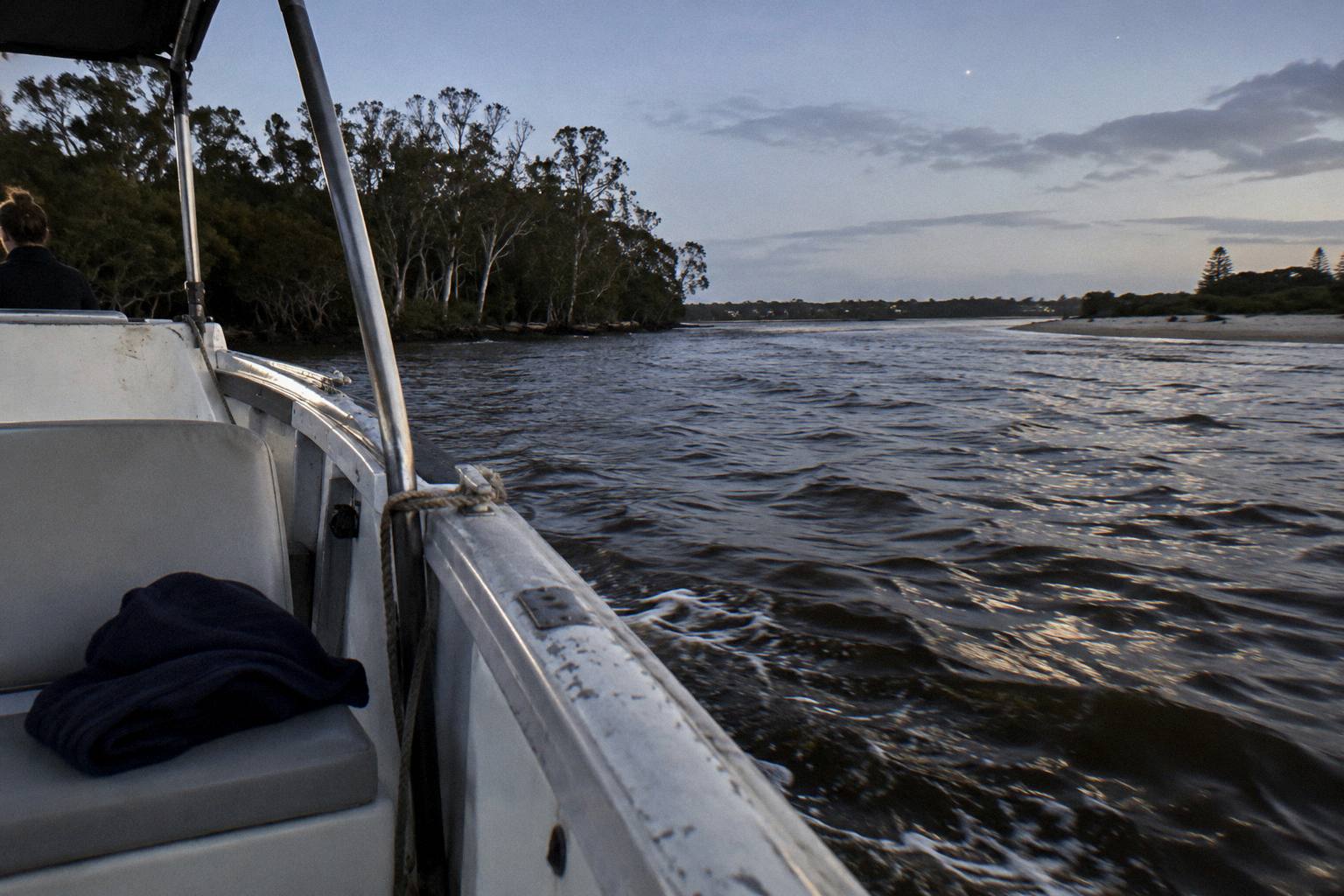
The sunset table is the planning backbone. Sunset over Noosaville falls about 6:45pm in January and about 5:03pm in June, with the change day to day under a minute in most months. The Noosaville operator's own seasonal departure range, from 3:15pm in winter up to 4:45pm in summer, is the only published clock guidance among these trips, and it exists precisely because the boat aims to be on the water as the light drops.
| Month | Sunset (about) | Mean minimum C | Mean 3pm wind km/h |
|---|---|---|---|
| January | 6:45pm | 22.0 | 19.1 |
| April | 5:33pm | 18.2 | 15.6 |
| July | 5:12pm | 11.3 | 13.1 |
| October | 5:53pm | 17.1 | 19.7 |
The mean minimum temperatures come from the Tewantin weather station's 31 years of records, and they translate directly into what to wear. The Noosa Queen's operator FAQ recommends comfortable clothes in layers and a light jacket or jumper, which is sound advice for any month: a July evening on the water is a different garment decision from a January one. The 3pm wind means are 31-year averages too, useful only as climate context, never as a forecast.
Booking terms are uniform across the trips: free cancellation up to 24 hours before the start for a full refund, with start times chosen on the availability calendar. The Noosa Queen operator additionally states a full refund if it cancels for severe weather. Everyone books online, and the practical advice is to book the date, check the calendar for the start time, and arrive with margin: 15 minutes early for the Noosa Queen, and for the Noosaville jetty with parking sorted, since the Gympie Terrace and Albert Street car parks are 2P and untimed areas.
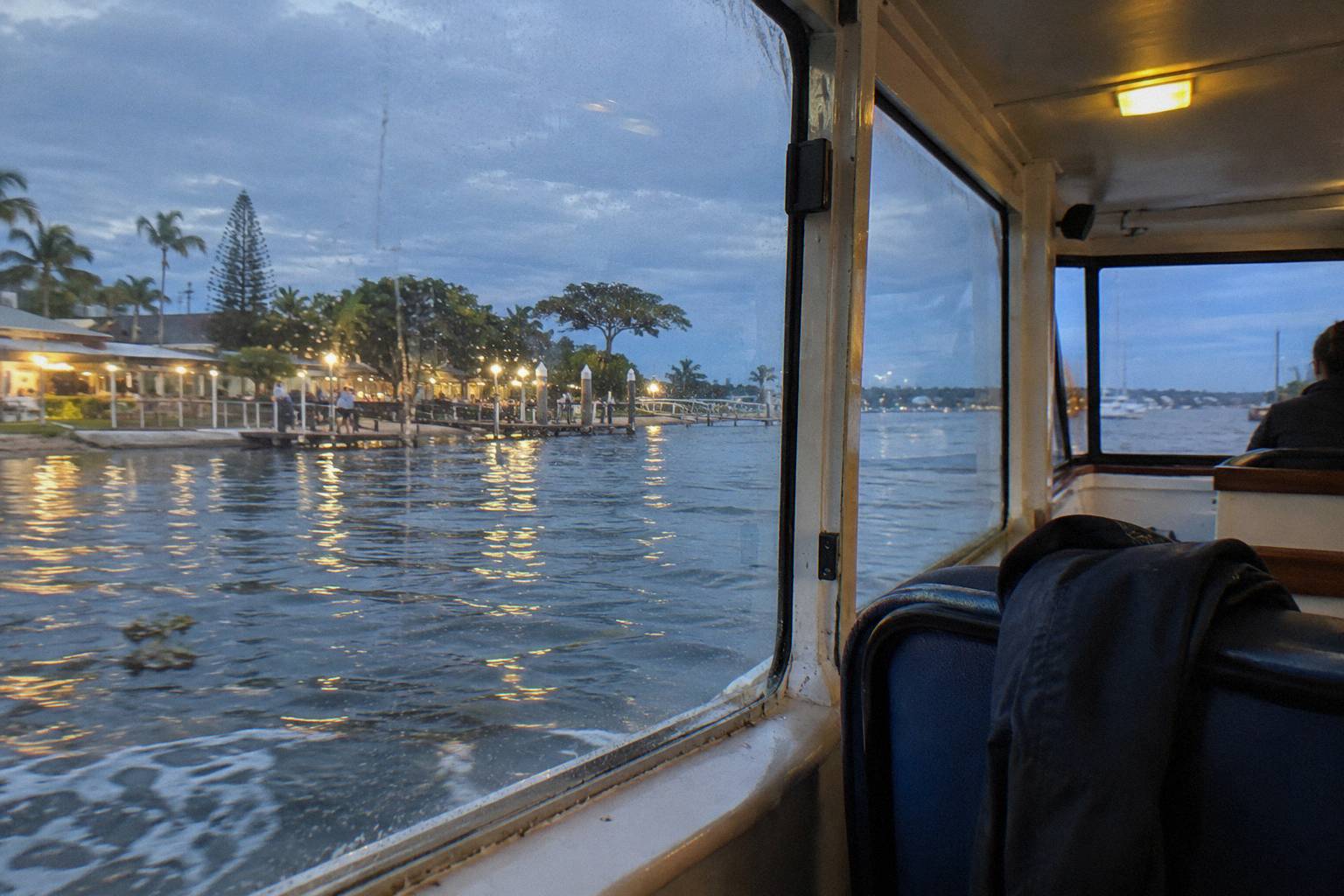
A few small habits make a wildlife evening better. Bring binoculars if you own a pair, since the Azure Kingfisher is small and fast and rewards them. Choose a seat on the side facing the bank rather than the open water, where the egrets and kangaroos are. Ask the skipper what has been about lately, because the crew sees the river every evening and knows which stretches the birds favour. Keep expectations where the operators keep theirs: a chance, not a schedule.
The final decision is a wildlife watcher's decision. If dolphins are the only acceptable outcome, none of these boats will deliver a promise, because no operator makes one. If an evening of pelicans, egrets, kites, cormorants, a kingfisher and a chance of kangaroos on the bank sounds like a good night on the water, that is exactly what the operators describe, and the boats below will deliver the setting for it.
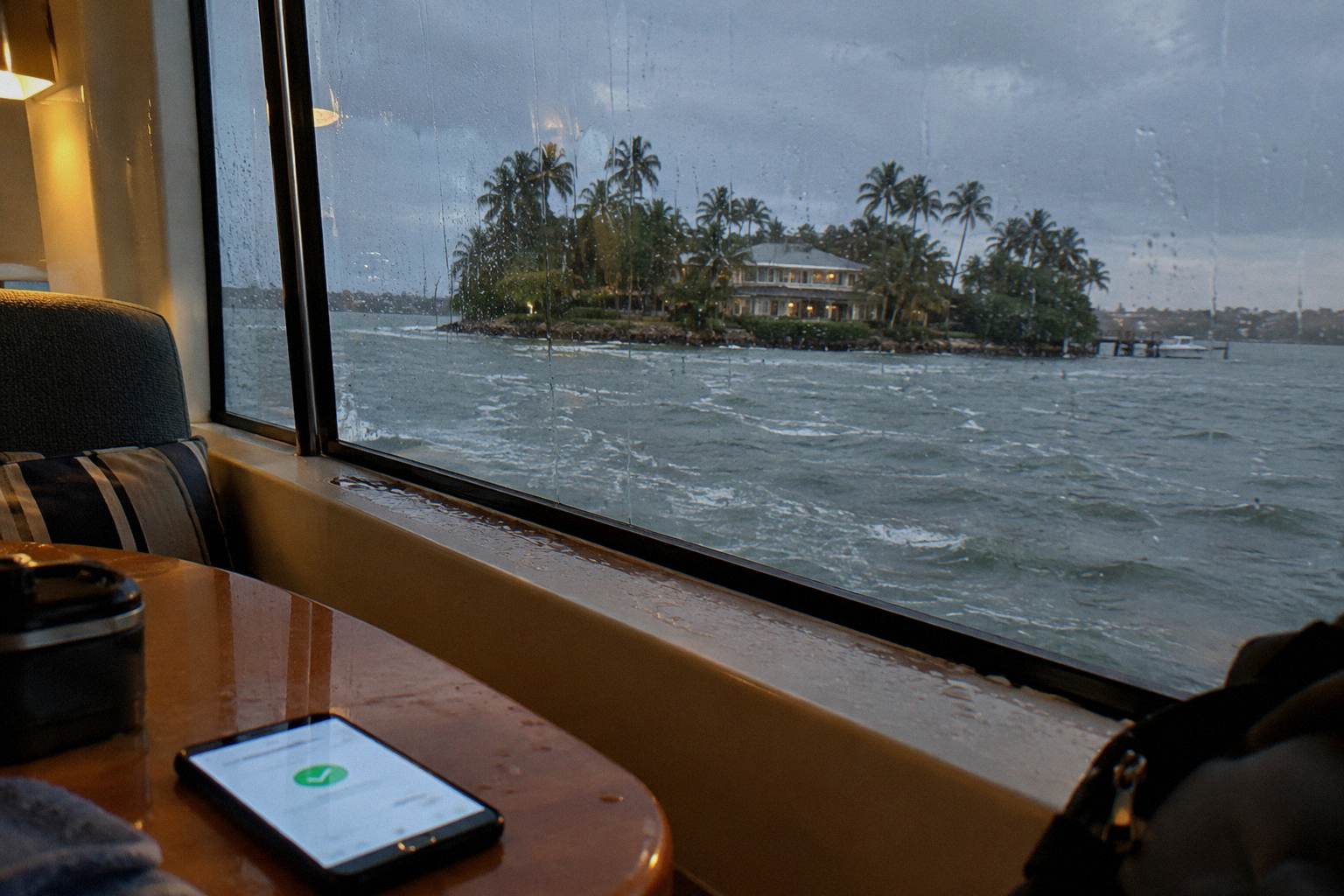
A little preparation pays off once the boat leaves the jetty. Layers work best because the drop between boarding and the return can be sharp, especially from April through July, when the mean minimum slides from 18.2 down to 11.3 degrees. Binoculars earn their space in any bag, and a seat facing the bank keeps the egrets and any kangaroos in view from the first stretch of river. Ask the crew early which stretches have been active, since they read the water every evening and can point the boat's attention in the right direction. Parking at the Noosaville jetty means the 2P and untimed areas on Gympie Terrace and Albert Street, so arriving with the same margin the Noosa Queen asks of its passengers removes the last-minute rush.
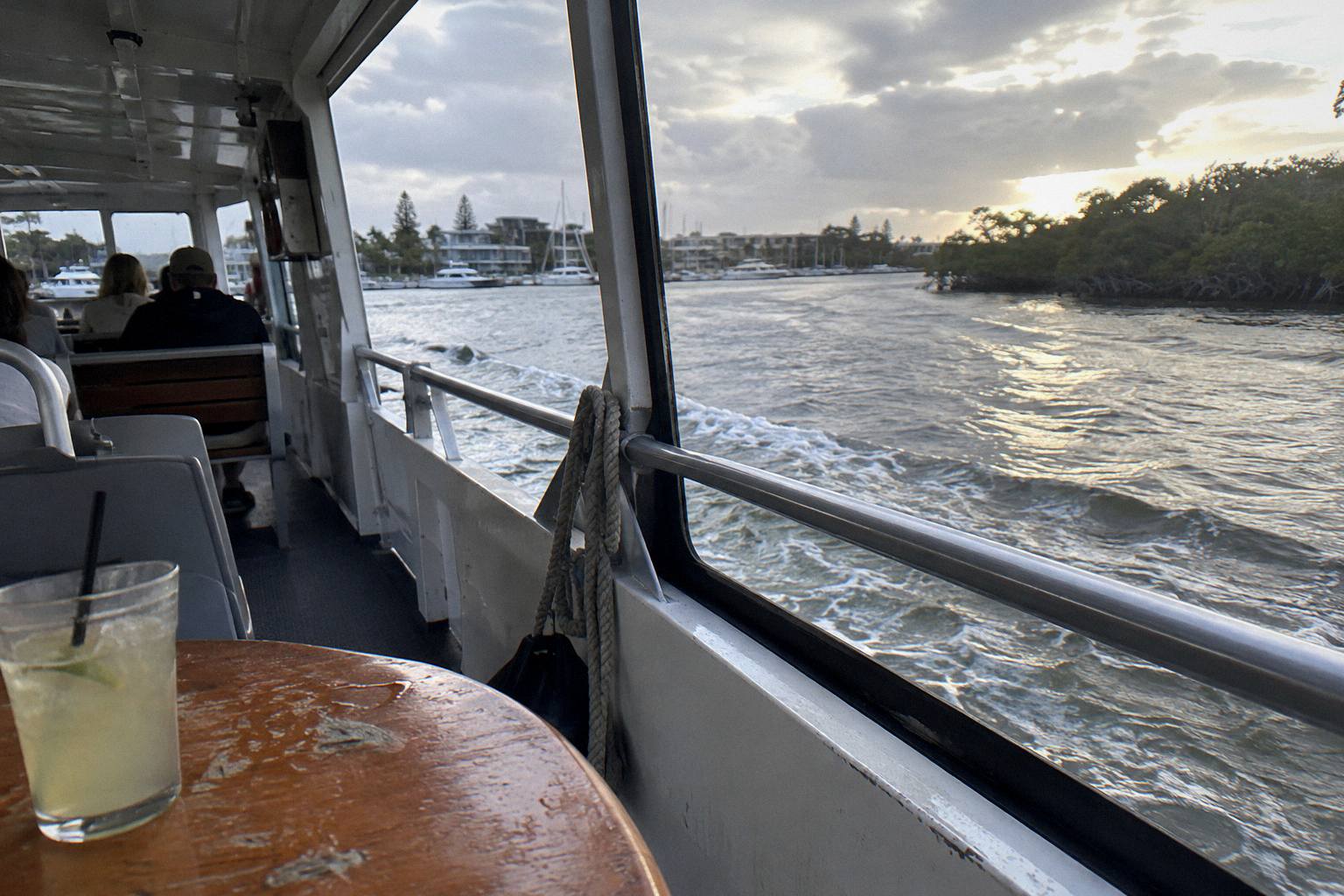
The table also points to when to go. January pairs the latest sunset, about 6:45pm, with the warmest evenings, a mean minimum of 22.0, and the strongest mean 3pm wind at 19.1 km/h, so a summer booking gets the longest light and the most breeze. July is the cool, calm option, with sunset about 5:12pm, a mean minimum of 11.3, and the lightest mean wind at 13.1. April and October sit between the extremes, with sunsets about 5:33pm and 5:53pm and mean minimums of 18.2 and 17.1. Whichever month you choose, the free cancellation window up to 24 hours before start means a forecast check the day before costs nothing, and the Noosa Queen's severe weather refund adds cover if the operator calls the trip off.
Common Questions About Wildlife On Noosa Evening Boat Trips
Can You See Dolphins On The Noosa River At Sunset?
No sunset cruise operator in Noosa lists dolphins among the wildlife on its trips, and no cruise advertises a dolphin sighting. The wildlife the operators do name is five river birds and a hedged chance of kangaroos on the banks.
What Birds Can You Actually See On A Noosa Sunset Cruise?
The Noosa Queen operator names five birds guests often spot: Whistling Kite, Australian Pelican, Great Egret, Pied Cormorant and Azure Kingfisher. The Noosaville cruise names local wildlife generally, with skipper commentary throughout the trip.
Are There Crocodiles In The Noosa River?
Noosa sits outside the known crocodile range. The Queensland Government places the southernmost crocodile population at Rockhampton and describes crocodiles further south as vagrants rarely present south of the Fitzroy River.
Do The Sunset Cruises Include Swimming?
No. The sunset cruises do not include swimming. Only the daytime river and canals cruise mentions a beach stop for swimming, and only in summer months.
Which Cruise Is Best For Wildlife?
The Noosa Queen carries the only named species list, the Noosaville trip offers the longest route with live skipper commentary, and Stillwater offers the smallest group, up to 40 guests, on a quiet hybrid-electric catamaran. No operator guarantees any sighting.
Can You See Kangaroos From A Noosa Sunset Cruise?
The Noosa Queen operator lists a chance to spot kangaroos, hedged deliberately and with no sighting rate published anywhere. Kangaroos are wild animals on the banks and may or may not be visible on any given evening.